A small chip, gap, or uneven tooth can be surprisingly noticeable when it’s part of your smile. The good news is that improving certain cosmetic imperfections doesn’t always require an extensive procedure.
Dental bonding may provide a relatively straightforward way to change the appearance of a tooth.
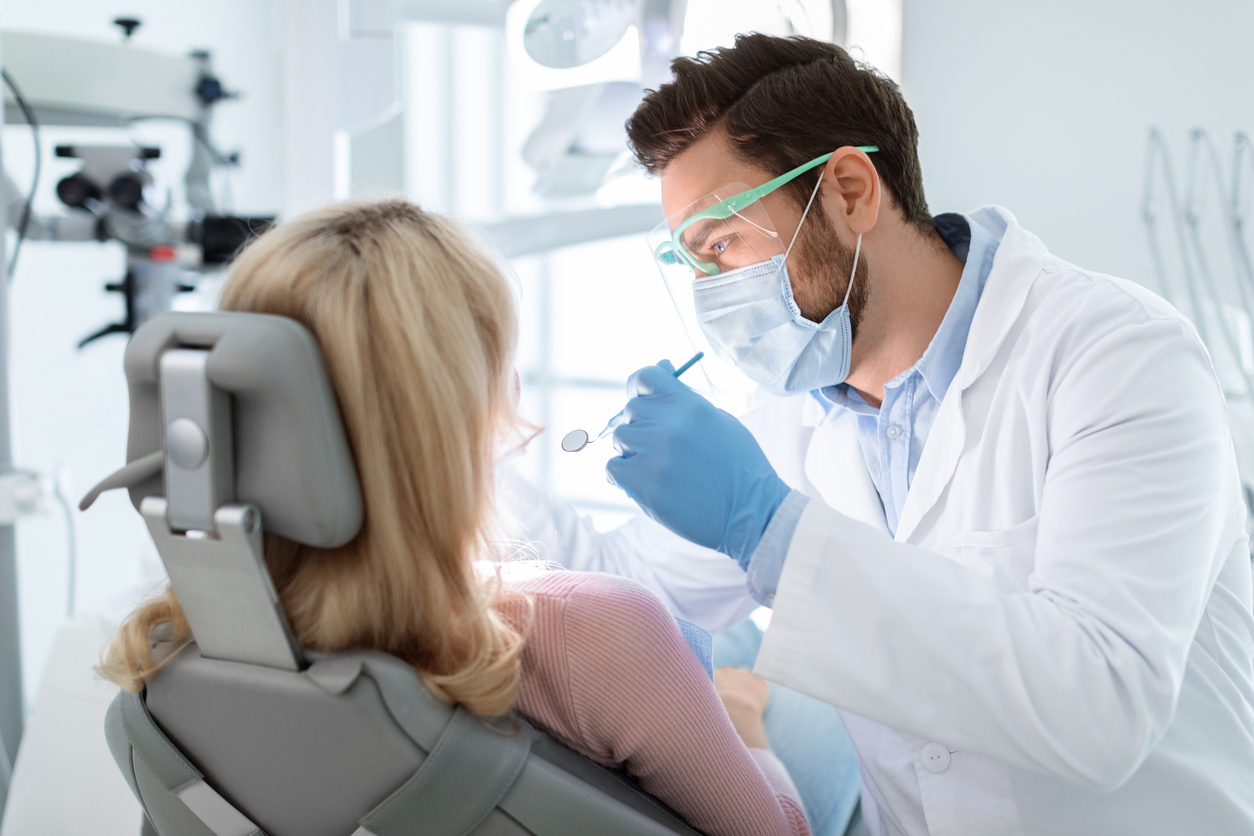
At The Dental Office Encino, Dr. Alan Howard and Dr. Yonatan Howard offer dental bonding and contouring for patients interested in addressing certain cosmetic concerns. The treatment uses composite resin to alter or improve specific areas of a tooth.
If you’re wondering is dental bonding right for your smile, here’s what you should know about the procedure and the types of concerns it may address.
What Is Dental Bonding?
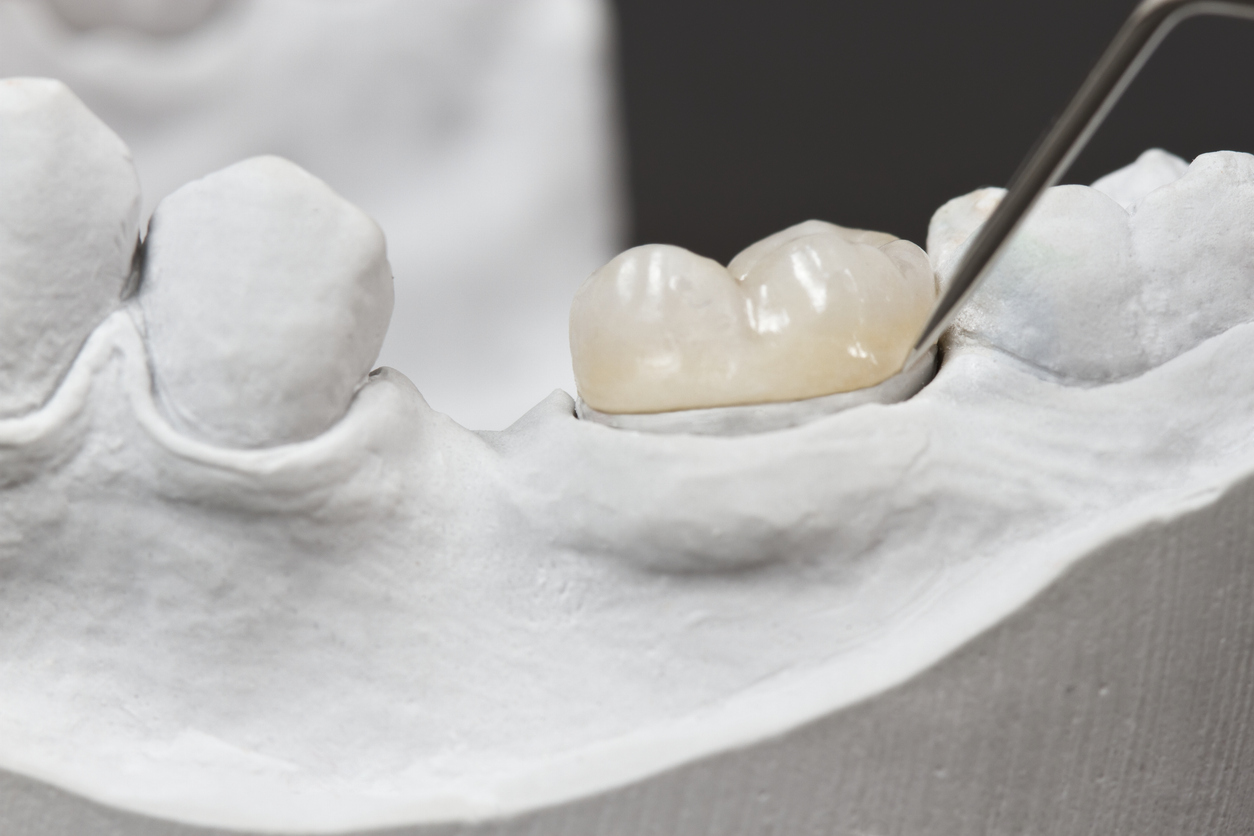
Dental bonding is a cosmetic treatment that uses composite resin applied directly to a tooth.
The Dental Office Encino uses composite resin, the same type of material used for tooth-colored fillings, during bonding and contouring procedures. The material can be used to cover or reshape specific areas depending on the cosmetic concern being treated.
Rather than replacing the visible portion of the tooth with a restoration such as a veneer, bonding allows the dentist to work directly with resin placed on the tooth.
Whether bonding is appropriate depends on the condition of the tooth and the change you want to make.
What Can Dental Bonding Address?
Dental bonding is versatile, but it isn’t meant to solve every cosmetic or structural dental concern.
According to The Dental Office Encino’s bonding treatment information, bonding and contouring may be used to:
- Cover certain types of discoloration
- Reduce the appearance of gaps between teeth
- Lengthen a tooth
- Improve a tooth’s shape
- Address certain chipped teeth
A consultation is important because two cosmetic concerns that look similar may require very different approaches.
A small chip, for example, may be suitable for bonding in one patient while another tooth may need a different type of restoration. Your dentist can examine the tooth before recommending treatment.
Dental Bonding for Chipped Teeth
Chipping a tooth can happen unexpectedly. A fall, accident, or other trauma can change the shape of a tooth and make the damaged area stand out when you smile.
Bonding is one of the cosmetic options The Dental Office Encino offers for certain chipped teeth. Composite resin can be used to alter the shape and appearance of the affected area.
The practice’s review page even includes feedback from a patient who specifically reports having a chipped tooth bonded by Dr. Howard and being happy with the result.
Of course, a chipped tooth should still be evaluated by a dentist. Cosmetic appearance isn’t the only consideration when a tooth has been damaged.
Bonding for Tooth Shape and Spacing
Not every cosmetic concern involves damage.
Perhaps one tooth looks shorter than the teeth beside it. Maybe you’re bothered by a small space between teeth. In other cases, the overall shape of a tooth may simply look out of place in the smile.
The Dental Office Encino lists reducing gaps, lengthening teeth, and improving tooth shape among the potential uses for dental bonding.
Because the treatment is customized, the goal isn’t to create the exact same smile for every patient. The dentist can evaluate how the tooth fits with the surrounding teeth before discussing what changes are possible.
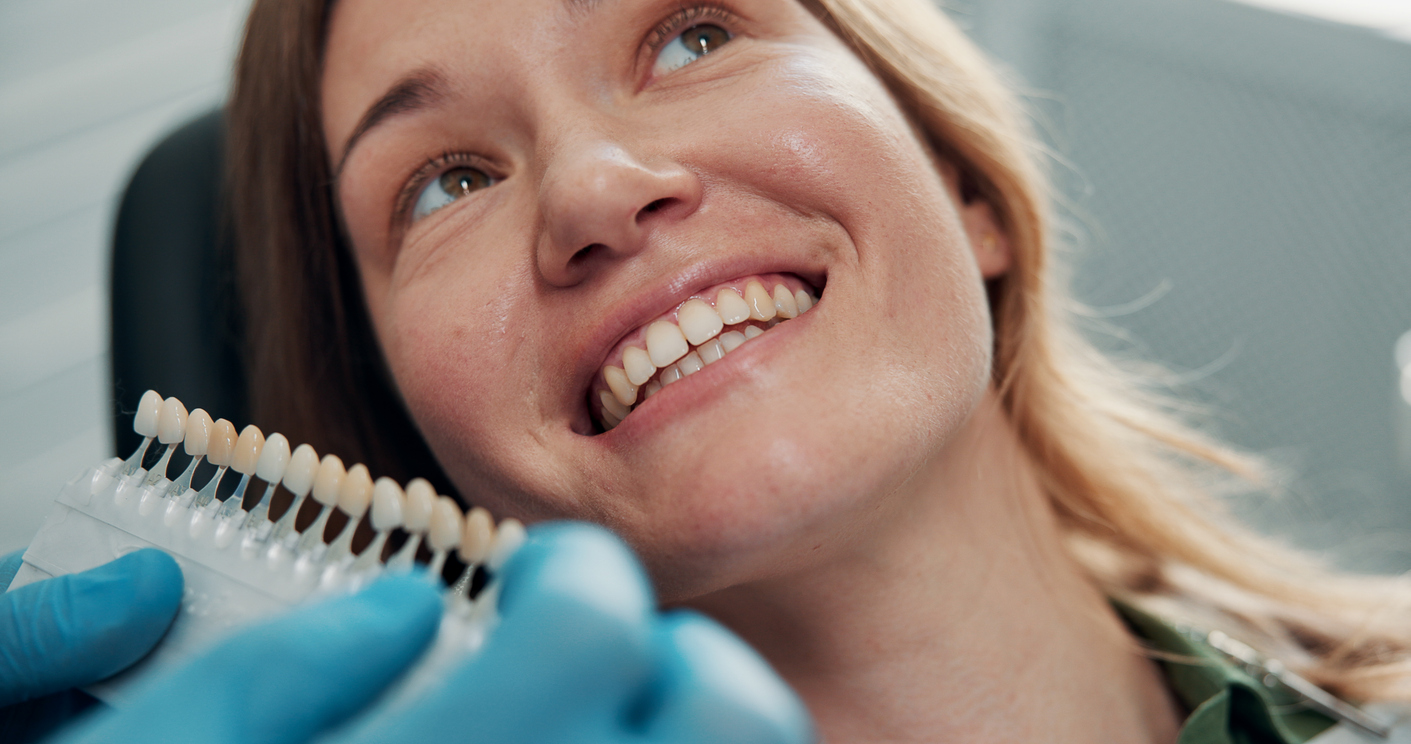
What About Tooth Discoloration?
Some discoloration may respond to whitening, while other types may not.
The practice notes that bonding can be used to cover certain areas of discoloration, including situations in which a tooth has become discolored because of illness or medication.
That doesn’t mean bonding is automatically the right answer for every stained or discolored tooth.
Determining why the color changed is an important first step. After examining the tooth, your dentist can discuss whether bonding or another cosmetic option makes sense.
Bonding vs. Other Cosmetic Dental Treatments
Cosmetic dentistry isn’t one-size-fits-all.
The Dental Office Encino offers several cosmetic services, including dental bonding, porcelain veneers, and smile makeovers.
Which option makes sense depends on what you want to change and the condition of your teeth. The American Dental Association notes that resin-based composite materials are tooth-colored and can be used in direct dental restorations, including veneers.
Someone bothered by one small area may have very different treatment needs from someone interested in changing the appearance of several teeth. Rather than deciding on a procedure before your appointment, start with the result you want to achieve.
Your dentist can then explain which available options are appropriate.
Is Dental Bonding Right for Your Smile?
If you’ve spent months noticing the same chip, gap, discoloration, or uneven tooth in every photo, it may be worth asking what can be done about it.
If you’re asking is dental bonding right for your smile, the answer depends on the condition of your teeth, the cosmetic concern you want to address, and the result you’re hoping to achieve. The best way to know is to have your teeth evaluated in person.
Dr. Alan Howard and Dr. Yonatan Howard offer bonding and contouring at The Dental Office Encino along with other cosmetic dental services.
To schedule an appointment, call 818-300-0333 or visit the practice at 17071 Ventura Boulevard, Suite 102, Encino, CA 91316.