
If you have a crown, or a dentist just told you that you need one, the first practical question is usually the same: how long will it last? For most people, the short answer is somewhere between 5 and 15 years, and plenty of crowns go well past that.
The longer answer is more useful. What affects dental crown longevity isn’t stamped on the crown when it’s made. It depends on what it’s made of, where it sits in your mouth, and what you put it through every day.
If you’re looking for an Encino dental office to evaluate an existing crown or discuss your options, understanding these factors can help you have a more useful conversation with your dentist.
How Long Do Dental Crowns Last on Average?
With good care, most crowns are expected to last 5 to 15 years, and some hold up for 30 years or more. That’s a wide range, and there’s a reason for it.
A crown on a front tooth that mostly bites into sandwiches lives a very different life than a crown on a back molar belonging to someone who chews ice. Think of it less like an expiration date and more like the mileage on a set of tires. The tires are the same, but different drivers get very different results.
What Your Crown Is Made Of Matters
At The Dental Office Encino, Dr. Alan Howard and Dr. Yonatan Howard offer crowns in metal, porcelain, and porcelain fused to metal. Each one balances strength and appearance a little differently.
Metal Crowns
Metal is the long-haul option. It rarely chips or breaks, and it tends to outlast other materials under heavy chewing. The tradeoff is that it doesn’t look like a tooth, so it’s usually saved for back molars nobody sees.
Porcelain Fused to Metal
This is a metal base with a tooth-colored porcelain layer on top. It lasts nearly as long as all-metal and blends in much better, which makes it a common pick for premolars and molars.
Porcelain and Ceramic Crowns
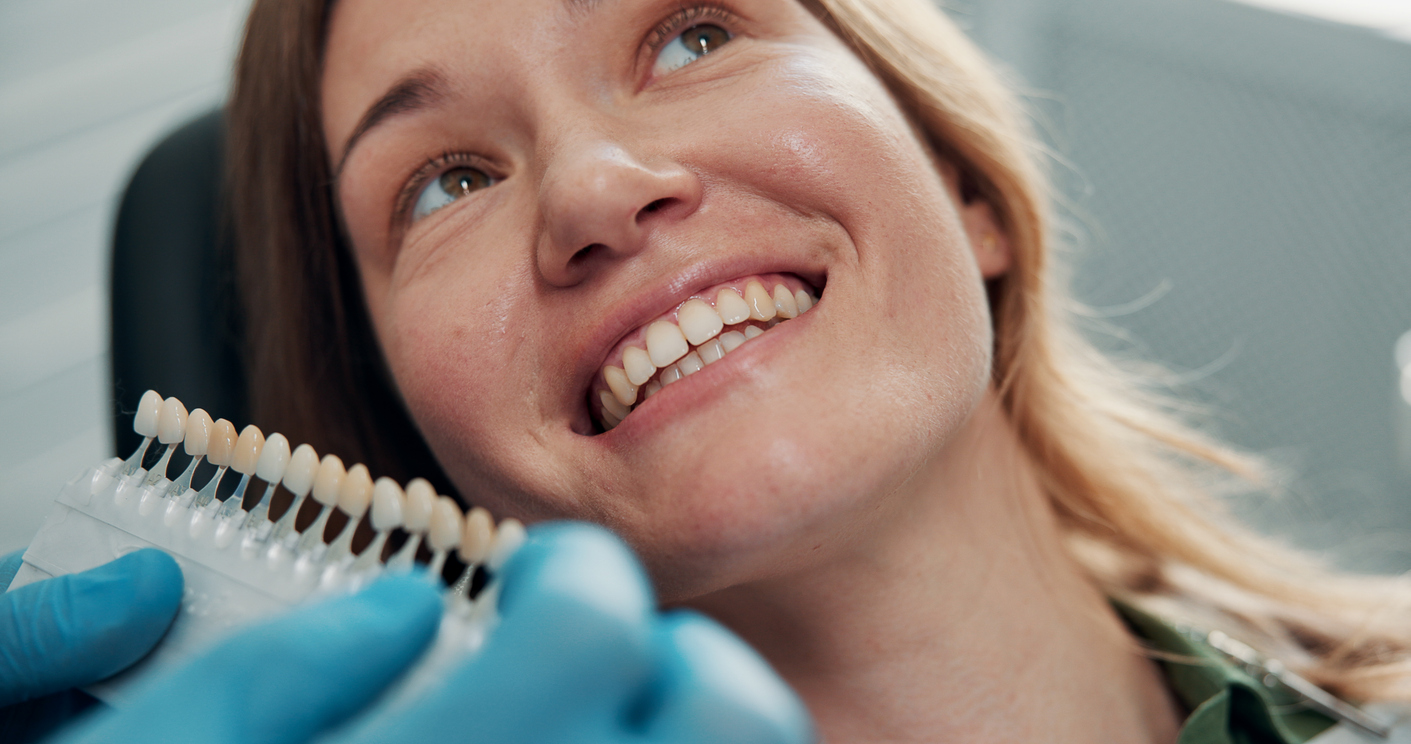
These look the most natural. They’re custom-matched to the size, color, and shape of your other teeth, so they’re a go-to for teeth that show when you smile. At your consult, the doctors will explain which material fits the tooth, your bite, and your budget.
The right material depends on factors such as the tooth’s location, the forces it receives, your oral health, and your cosmetic goals.
The Everyday Habits That Shorten a Crown’s Life
The crown itself is tough. What usually takes one out early is something happening to it or around it.
Grinding and clenching. Nighttime grinding puts steady pressure on crowns and natural teeth alike. If you wake up with a sore jaw, or someone tells you they hear you grinding, bring it up at your next visit.
Using your teeth as tools. Opening packages, biting nails, chewing pens, and crunching ice all take a toll. Crowns don’t love any of it.
Very hard or sticky foods. Hard candy, popcorn kernels, and chewy caramels can chip porcelain or tug a crown loose.
Decay at the edges. This is the sneaky one. The crown can’t get a cavity, but the tooth underneath still can, especially where the crown meets the gum line. If you skip flossing there, the tooth can weaken under a crown that looks perfectly fine.
Signs Your Crown May Need Attention
Crowns rarely fail without warning. Pay attention if a crown feels loose or shifts when you chew. The same goes for a chip, crack, or rough edge your tongue keeps finding.
New sensitivity to hot or cold around a crowned tooth is worth a call. So is a dark line near the gum or pain when you bite down.
If a crown comes loose or falls out, call the office right away. Don’t try to glue it back in yourself. A home fix can trap bacteria underneath or leave the crown sitting wrong.
The Cleveland Clinic also recommends contacting your dentist if you notice a loose crown, chips or cracks, or sharp edges that bother your tongue or gums.
How to Help Your Crown Go the Distance
Most of what keeps a crown healthy is stuff you’re probably already doing. Brush twice a day and floss daily, with extra attention where the crown meets the gum.
Keep up with your regular checkups and cleanings. During your exams, the doctors check how your crowns are holding up, adjust the fit if your bite feels off, and let you know when one is getting close to replacement.
The American Dental Association recommends brushing twice a day with fluoride toothpaste, cleaning between your teeth daily, and seeing your dentist regularly.
If you grind, ask about a custom night guard. The practice offers them, and they put a protective barrier between your teeth and your crowns while you sleep.
Treat crowned teeth like natural ones. If you wouldn’t crack a walnut with your molars, don’t do it with a crown either.
When It’s Time for a Replacement
Even a well-cared-for crown eventually wears down. When that day comes, replacing it doesn’t have to mean weeks in a temporary.
The office uses CEREC technology, which lets many crowns be designed, made, and placed in a single appointment. One longtime patient noted on Yelp that after having several crowns replaced at the office, “the whole process is done in one sitting.” We go deeper on how that works in our post on CEREC same-day crowns.
Same-day crown technology can reduce the number of appointments in appropriate cases, although not every patient or tooth is a candidate.
What Affects Dental Crown Longevity in the Long Run?
The biggest factors are not mysterious. What affects dental crown longevity usually comes down to:
- The material used for the crown
- Where the crown is located
- Your bite and chewing forces
- Grinding or clenching
- Your brushing and flossing habits
- The health of the natural tooth underneath
- The condition of your gums
- How quickly you address problems when they appear
That means the age of your crown is only part of the story. An older crown that is secure, comfortable, clean, and supported by a healthy tooth may not need replacement simply because it has reached a certain number of years.
Questions About Your Crown? Come See Us
Maybe you’re wondering how much life your current crown has left. Maybe you’ve been putting off a crown you know you need. Either way, the father-and-son team of Dr. Alan Howard and Dr. Yonatan Howard can take a look and give you a straight answer.
The practice has served Encino and nearby neighborhoods since 1991, and the team speaks English, Spanish, and Hebrew.
If you’re unsure whether your crown is still doing its job, don’t wait for it to break. An examination can help identify wear, damage, decay, or bite-related problems before they become a bigger issue.
Call 818-300-0333 or contact The Dental Office Encino to schedule an appointment. You’ll find us at 17071 Ventura Boulevard, Suite 102, in Encino.