
You chipped a front tooth, or you’ve had a small gap bothering you for years, and dental bonding fixed it in one visit. Now the practical question: how long will it hold up?
Dental bonding lifespan isn’t permanent, but it isn’t fragile either. How long yours lasts depends mostly on where it is in your mouth and what you put it through every day. Here’s what affects its lifespan, and what you can do to stretch it out.
If you’re considering bonding or need an existing repair checked, you can also explore dental bonding and contouring services before your visit.
The Short Answer
Dental bonding usually lasts several years. The range most often cited is about 3 to 10 years. Some patients land at the shorter end and others well beyond it.
That spread isn’t random. Bonding is made of tooth-colored composite resin that is shaped onto your natural tooth and hardened in place. It’s strong, but it’s softer than natural enamel and softer than porcelain. So the forces and habits it meets day to day have the biggest effect on how long it holds.
Why Some Bonding Lasts Longer Than Others
Location matters. Bonding on the front surface of a tooth, such as covering a stain or reshaping an uneven edge, takes less pressure than bonding on a biting edge. A repaired chip on the tip of a front tooth meets food and the opposing teeth every time you bite down.
Your bite matters too. If you clench or grind, especially at night, bonded areas take repeated stress that can wear them down or chip them sooner.
Size plays a role. A small touch-up on one corner usually holds up better than a large repair that rebuilds a big part of the tooth.
Habits That Shorten Its Life
The quickest way to chip bonding is to use your teeth for jobs they weren’t built for. The common culprits include:
- Biting your nails
- Chewing ice
- Chewing on pens or pencils
- Tearing open packages or tape with your teeth
- Biting straight into very hard foods with bonded front teeth
None of this means you have to baby your smile. It just means using your hands for the things your hands should do. If you grind your teeth, bring it up at your visit. The Drs. Howard treat TMJ disorder and make custom dental appliances, and protecting your teeth at night can protect your bonding along with them.
Keeping the Color Right
Lifespan isn’t only about chips. Composite resin can pick up surface stains over time, especially from coffee, tea, red wine, and tobacco. Bonding that’s in perfect shape can still start to look slightly off if it darkens next to your natural teeth.
Two things help. First, cleanings twice a year at The Dental Office Encino can polish away surface stains on bonded areas. Second, think about timing if you plan to whiten. Whitening products don’t change the color of bonding material. If you want a brighter smile, whiten first and then have the bonding matched to your new shade. Whitening after bonding can leave the bonded tooth looking darker than its neighbors.
Touch-Ups, Repairs, and Knowing When to Redo It
One advantage of bonding is that a small chip or worn spot can often be repaired without starting over. Your dentist can add material, reshape it, and polish it back to a smooth finish.
At your regular exams, Dr. Howard looks at your bonding along with the rest of your mouth and lets you know if it’s time for a refresh. Catching wear early usually means a smaller fix. Waiting until a large piece breaks off usually means a bigger one.
Is Bonding the Right Fit for Your Tooth?
Bonding works well for small cosmetic fixes: minor chips, small gaps, uneven edges, and spots of discoloration. It’s often more affordable than other cosmetic options and can usually be completed in a single visit.
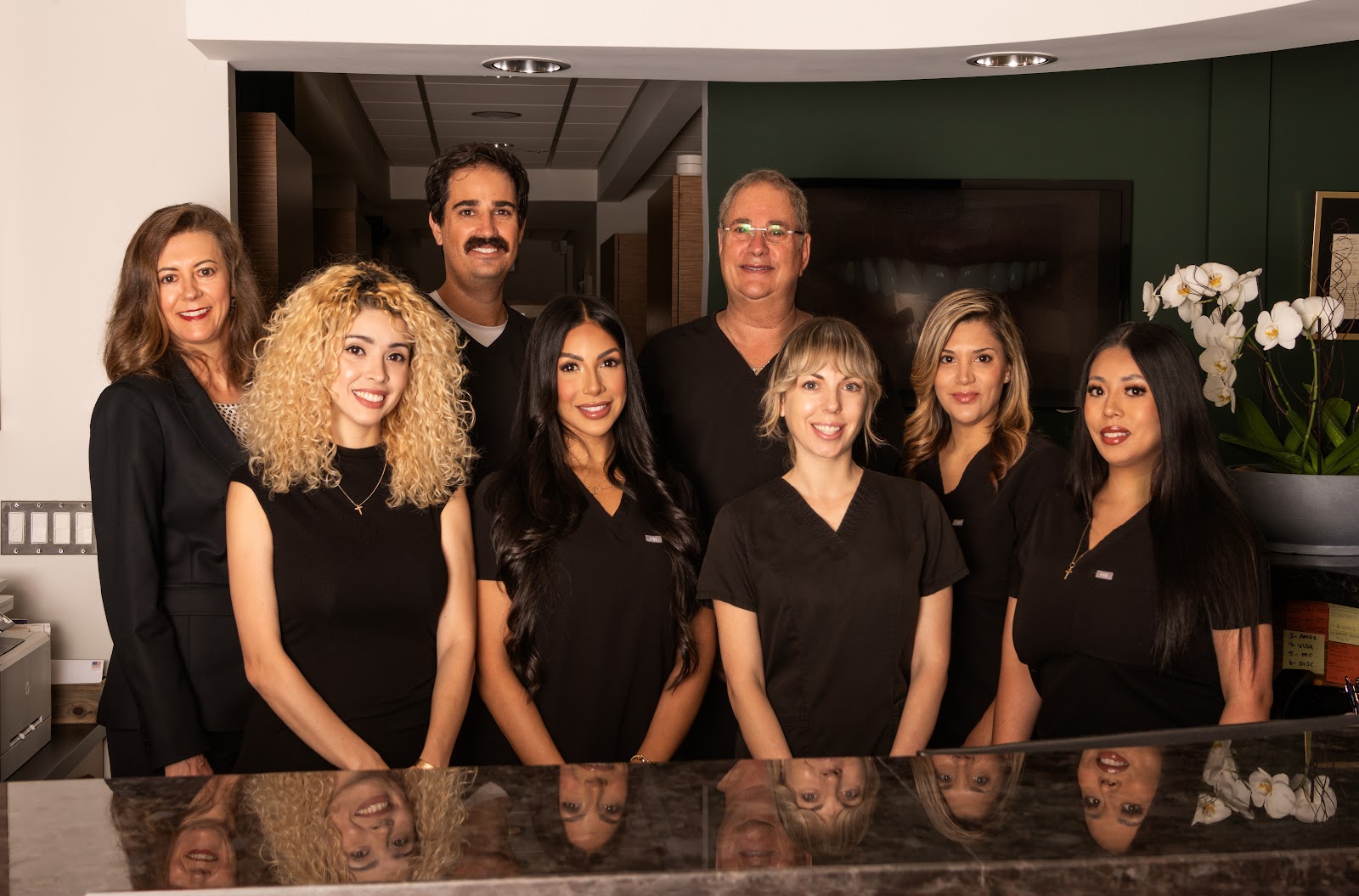
It isn’t the right answer for every tooth, though. For larger repairs, or for teeth that take heavy biting force, a porcelain veneer or crown may hold up better over the long run. Dr. Alan Howard and Dr. Yonatan Howard offer bonding, veneers, crowns, and full smile makeovers, so they can recommend what fits your tooth instead of steering you toward one option. They’ll listen to your goals, look at your bite, and walk you through the tradeoffs before anything starts.
Dental Bonding Lifespan at The Dental Office Encino
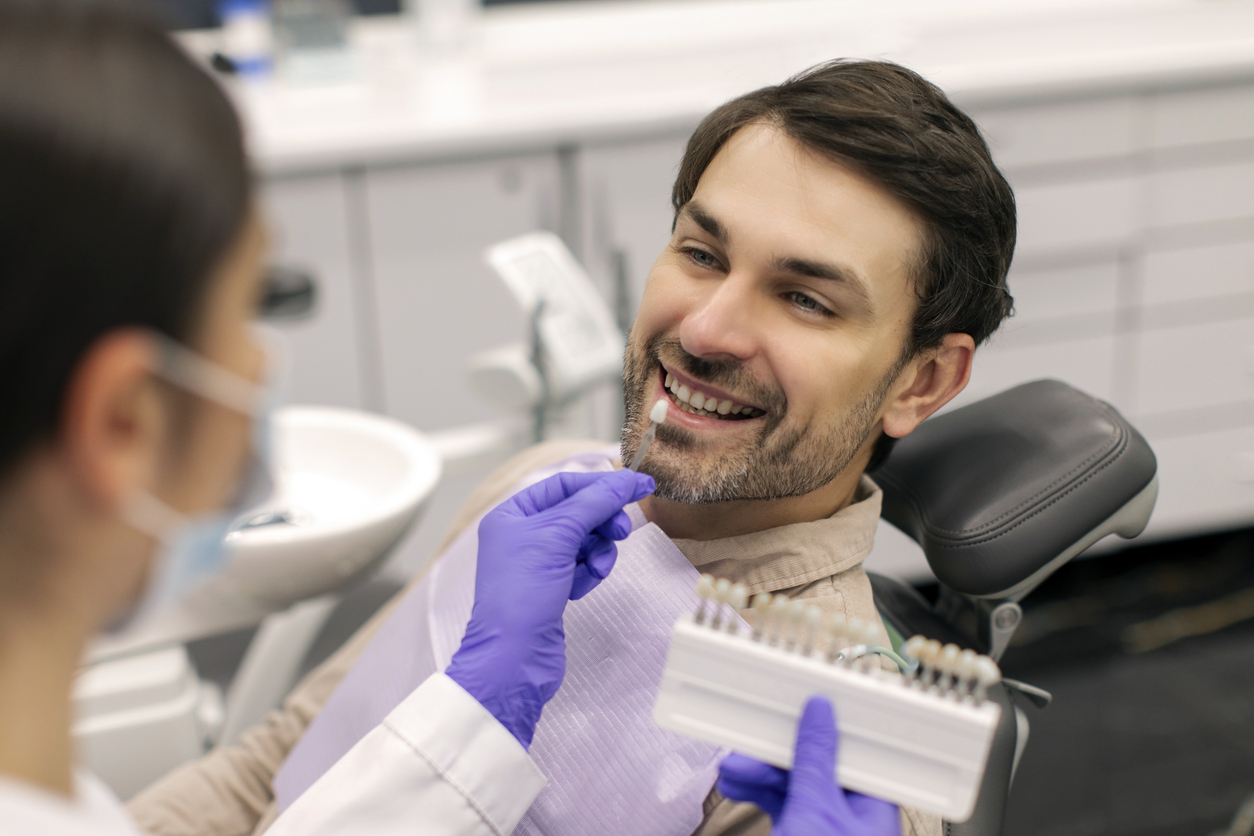
Dr. Alan Howard has practiced since 1991 and focuses on cosmetic and restorative dentistry. His son, Dr. Yonatan Howard, practices alongside him in the same Ventura Boulevard office. Bonding and contouring are generally completed in a single appointment: the tooth is prepared, the composite is applied and shaped to blend with your natural enamel, and then it’s hardened and polished.
Patients notice the results. As one put it after a repair, “Dr Howard bonded my chipped tooth and it’s perfect!!!”
Bonding done purely for appearance usually isn’t covered by dental insurance. The doctors will go over estimated costs before treatment. The office accepts PPO insurance plans, credit cards, cash, and checks, and offers CareCredit financing with no- and low-interest payment plans.
Schedule Your Bonding Consultation
Whether you’re thinking about bonding for the first time or your current bonding is due for a check, the Drs. Howard can tell you where it stands and what may help it last longer.
The Dental Office Encino is at 17071 Ventura Boulevard, Suite 102, Encino, CA 91316, and serves patients from Sherman Oaks, Tarzana, Van Nuys, Woodland Hills, and nearby neighborhoods.
Call 818-300-0333 to book your visit. You can also contact the office online to schedule a consultation and get a personalized assessment of your bonding.