Dental websites love their categories. Preventive, general, cosmetic, restorative. They sound tidy, but they don’t always tell you what’s actually going to happen to your teeth.
If you’re choosing a dental practice and wondering What Does a Dentist in Encino Actually Treat, this guide translates each category into real situations. Find the one that sounds like you.
If you’re comparing local options, you can also explore dental care services in Encino to see how different treatments fit together.
Preventive: Keeping Small Problems Small
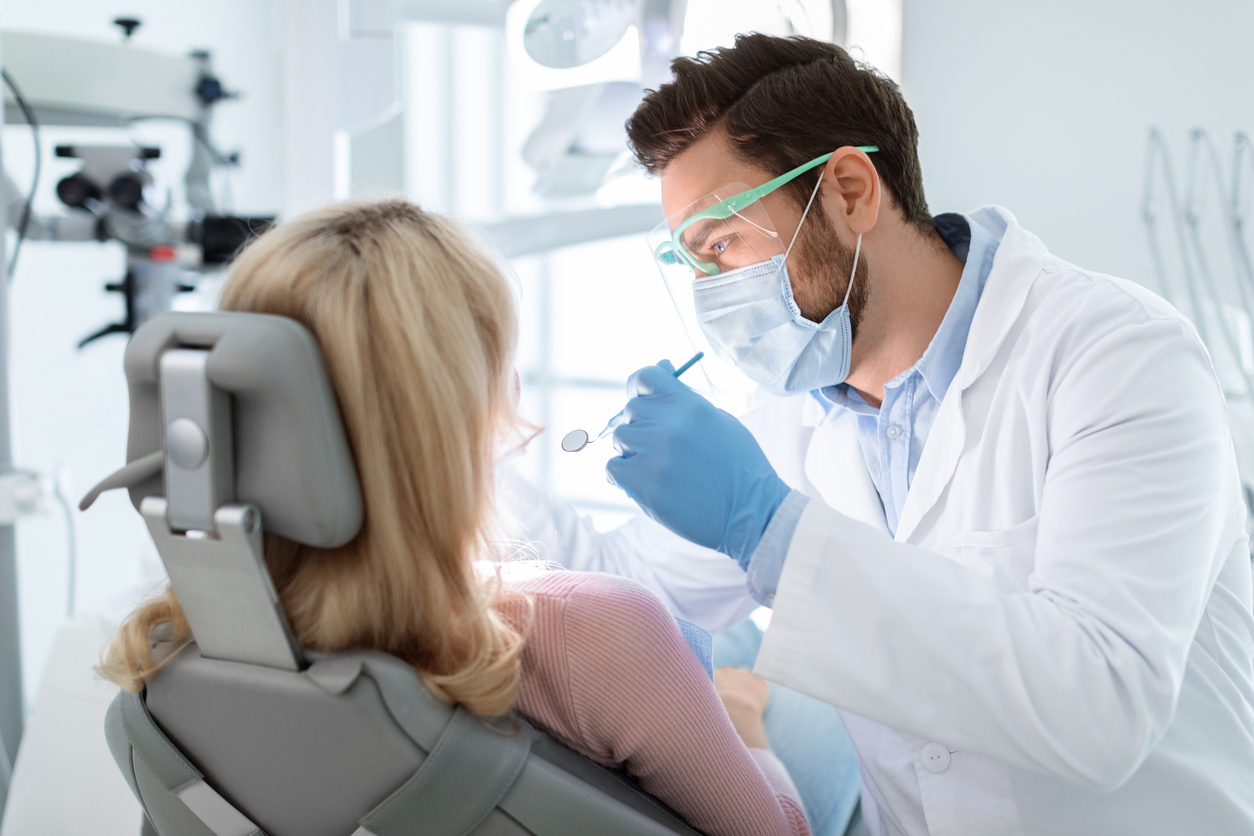
This is the cleanings-and-exams category, and it’s where most people start. Regular visits help keep your mouth healthy and give your dentist a chance to catch trouble early.
If you have no pain and just want to stay that way, this is your category.
Regular dental visits can help with prevention and early detection of cavities, gum disease, and other oral health problems. The CDC recommends regular dental care as part of maintaining oral health.
General: Fixing What’s Wrong
General dentistry handles the everyday problems. That includes tooth-colored fillings for cavities, scaling and root planing for gum disease, and root canal therapy when an infection reaches the inside of a tooth.
It also includes inlays and onlays, which cover damaged back teeth when a filling isn’t enough. If something hurts, is sensitive to hot or cold, or has been flagged at an exam, this is probably where you land.
Cosmetic: Changing How Your Smile Looks
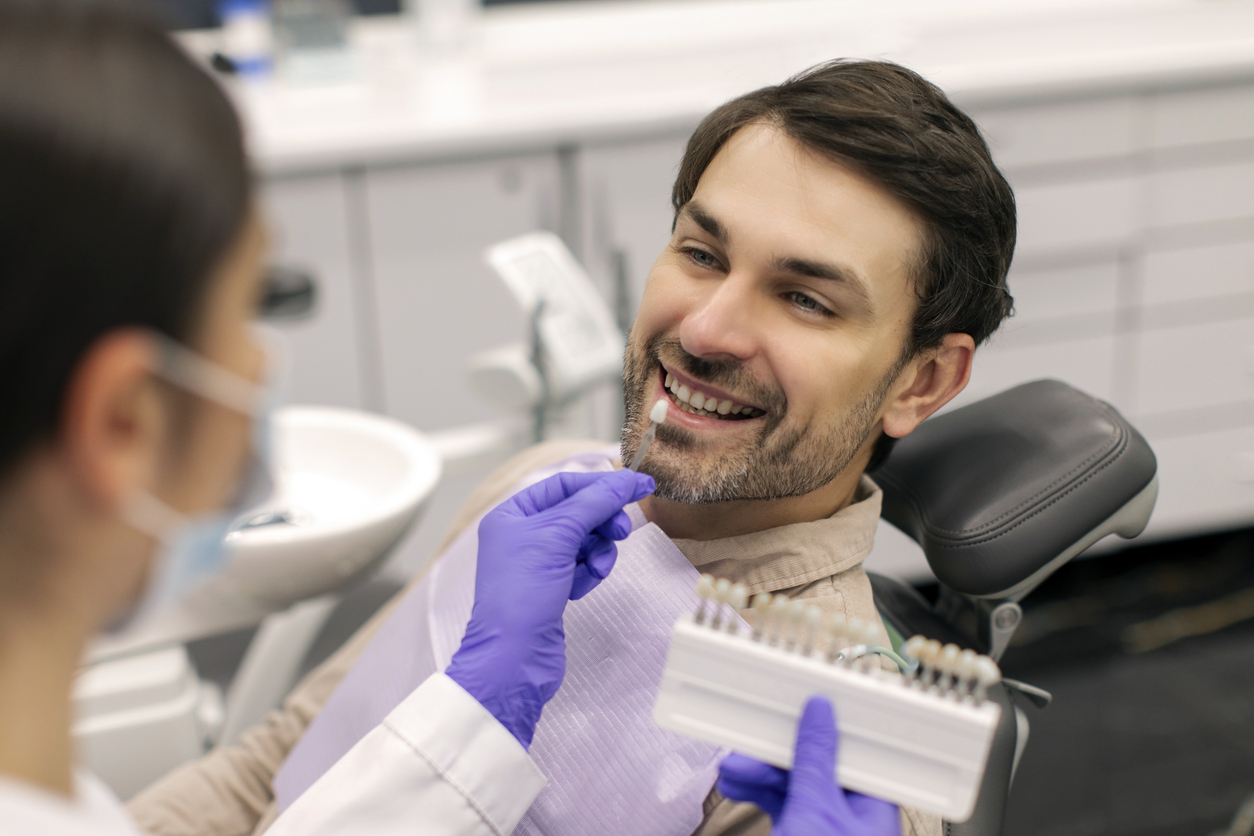
Cosmetic dentistry is about appearance. Dr. Alan Howard and Dr. Yonatan Howard offer bonding, veneers, and full smile makeovers for patients who want their teeth to look their best.
It’s worth knowing that cosmetic and health often overlap. Fixing a chipped tooth can be both, so don’t worry about picking the right label before you call.
Restorative: Replacing and Rebuilding
Restorative care is for teeth that are missing or badly damaged. It includes dental implants, crowns, bridges, and dentures, as well as replacing old or loose restorations.
Some of this can happen faster than you’d expect. The office uses CEREC technology to design and place certain restorations, like crowns, in a single visit.
Appliances: Custom Devices for Your Mouth
Appliances are custom-made devices worn in your mouth. That covers clear aligners for straightening teeth, along with snore guards and other options for sleeping more comfortably.
If you grind your teeth, snore, or want straighter teeth without traditional braces, this is the category to ask about.
Technology: How It All Gets Planned
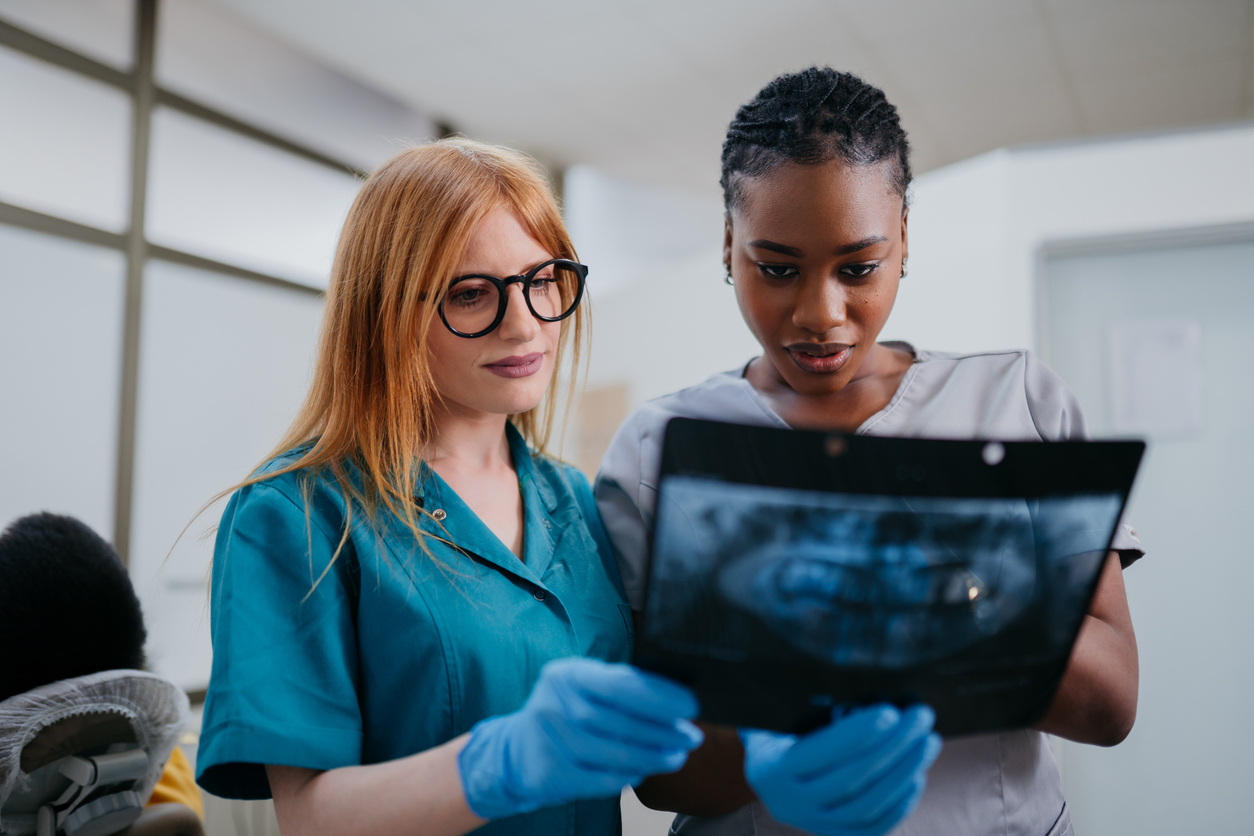
Behind all of it is the equipment. The office uses digital X-rays, CT cone beam 3D imaging for advanced cases, LANAP laser therapy for gum problems, and CEREC for same-day restorations.
You won’t encounter all of it at every visit. The team customizes each appointment to what you need and talks through your options beforehand.
The technology is there to support diagnosis and treatment, not replace the clinical decision-making behind it. The American Dental Association describes primary dental care as including evaluation, diagnosis, patient education, prevention, treatment planning, and treatment when appropriate.
Three Quick Examples
Say you crack a back tooth. At your exam, the doctors look at your X-rays and may recommend an onlay, and depending on the restoration it can sometimes be designed and placed in one visit with CEREC.
Say you’ve lost a tooth. The team can use 3D imaging to look at your jawbone and gums, then walk you through whether an implant, bridge, or denture makes the most sense for you.
Say you wake up with a sore jaw. That’s worth mentioning at your next visit, because the right answer might be a custom appliance rather than a repair. In each case, the conversation starts the same way, with an exam and plain explanations.
Why Having It All in One Place Helps
Seeing one office for everything means one set of records, one team that knows your history, and fewer handoffs. If your exam turns up a cavity and a worn filling, both get discussed in the same conversation.
For families, it also means scheduling is simpler. Parents, kids, and grandparents can all be seen by the same practice.
Not Sure Which Category You Need?
You don’t have to figure it out beforehand. Start with an exam, and the doctors will tell you what you need and in what order. If you’ve already been given a plan elsewhere, we’re glad to review it and give a second opinion.
It also helps to write down what you’ve noticed before you come in: where it hurts, when it started, and what makes it better or worse. Even small details give the doctors a head start, and they make your appointment more useful.
The CDC notes that some oral health problems may not cause obvious pain or symptoms until they become more serious, which is one reason routine dental evaluations matter.
Find a Dental Practice That Covers What You Need
Dr. Alan Howard and Dr. Yonatan Howard have treated Encino families since 1991, along with neighbors in Sherman Oaks, Tarzana, Van Nuys, and Woodland Hills, and new patients are always welcome.
If you’re still asking What Does a Dentist in Encino Actually Treat, the answer depends on your teeth, gums, goals, and current oral health. You don’t need to diagnose yourself before making an appointment. An exam can help identify what needs attention and what can wait.
The Dental Office Encino is located at 17071 Ventura Boulevard, Suite 102, Encino, CA 91316.
Call 818-300-0333 or book an appointment through the contact page to discuss your dental needs and find the right place to start. We’re open Monday through Thursday from 8am to 5pm and Friday from 8am to 2pm.