
Losing a tooth changes more than the appearance of your smile. It can affect the way you chew, how the surrounding teeth function, and the choices you have for replacing what is missing.
If you are researching dental implants in Encino, CA, this Dental Implant Treatment Guide Encino CA explains how the process works, what has to happen before an implant is placed, and why the right treatment plan can look different from one patient to another.
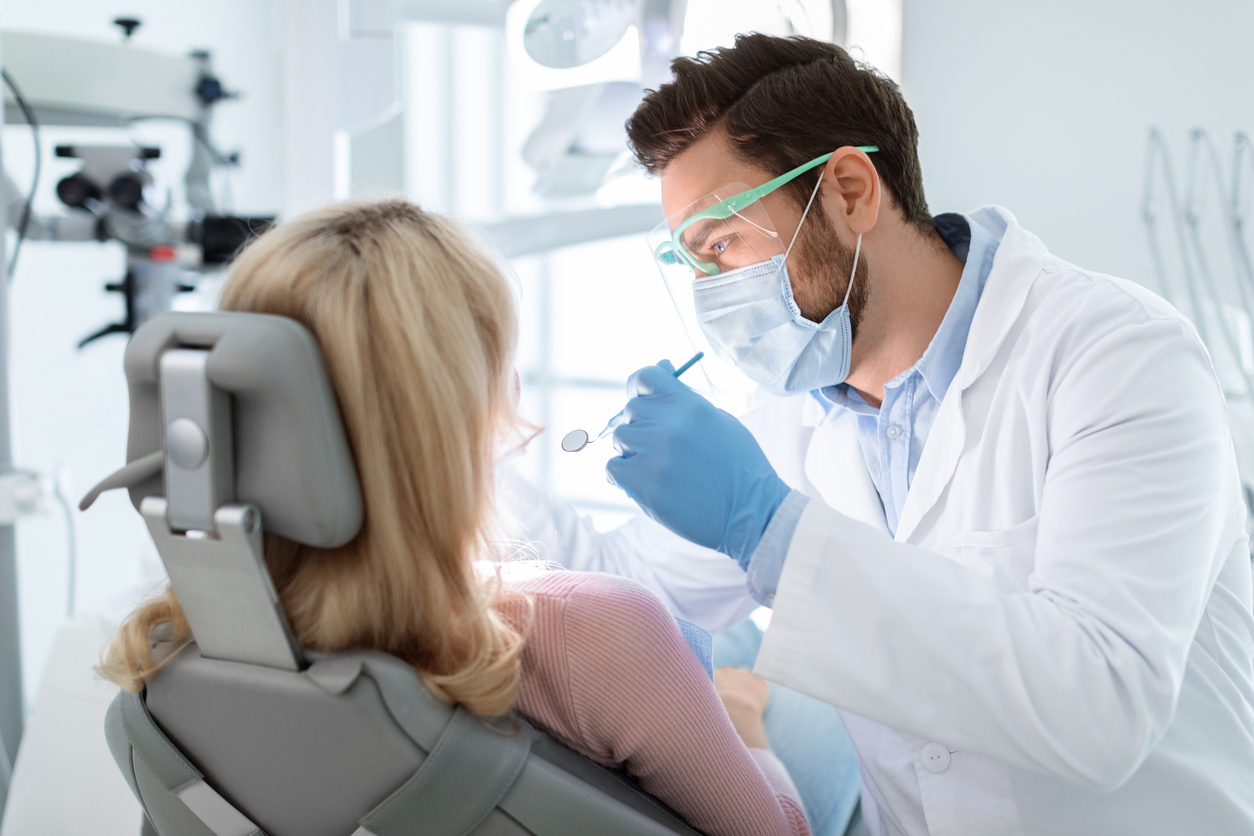
At The Dental Office Encino, Dr. Alan Howard and Dr. Yonatan Howard offer implant dentistry as part of the practice’s restorative dental care.
What Does a Dental Implant Actually Replace?
A dental implant replaces the root portion of a missing tooth.
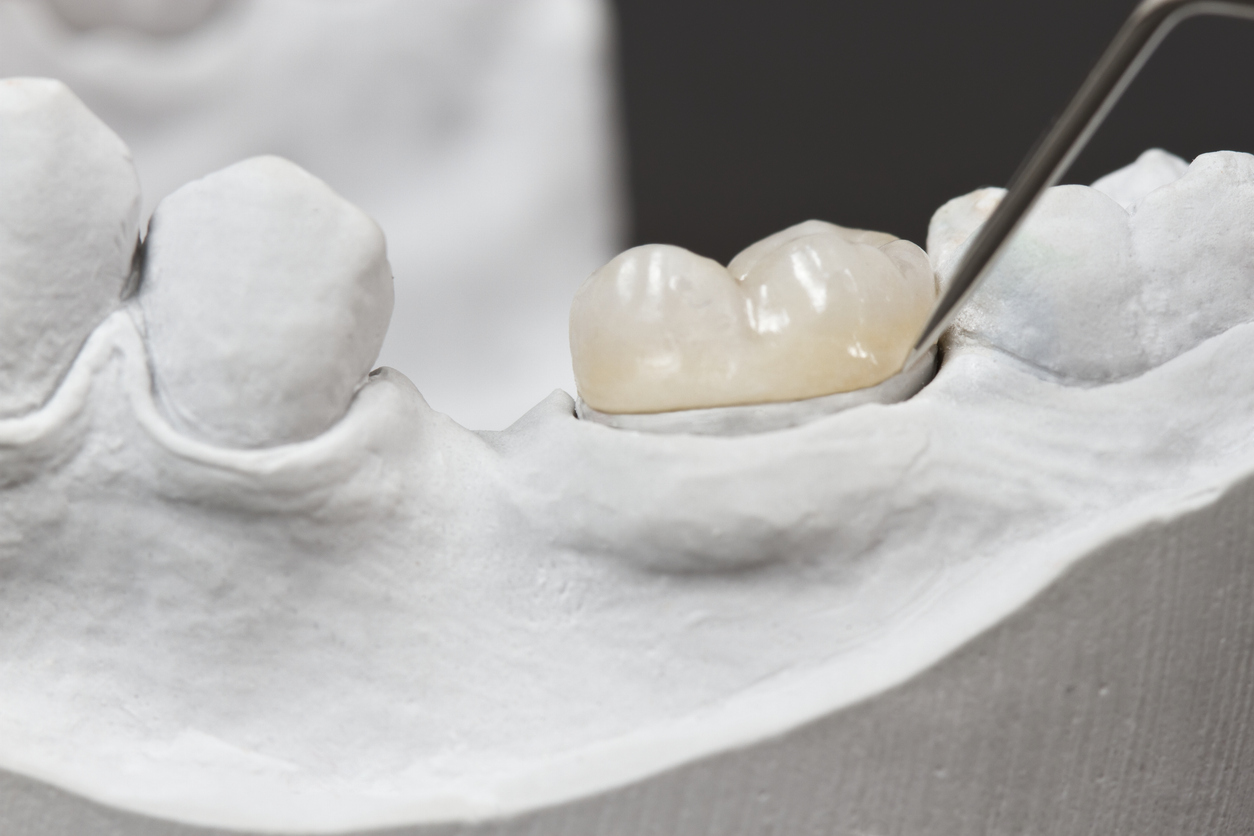
The implant itself is a metal post placed in the jawbone. Once it has integrated with the surrounding bone and is stable, it can support a custom restoration above the gumline.
Depending on how many teeth are missing, that restoration may be a crown, bridge, or denture.
This distinction matters because the implant and the visible replacement tooth are two different parts of treatment. When patients talk about “getting an implant,” they are often referring to the complete process of placing the implant and eventually attaching the restoration that allows the area to function like a tooth again.
Dental Implant Treatment in Encino, CA Starts With Planning
Implant treatment does not begin with surgery. It begins with finding out whether an implant is appropriate for your mouth.
Your dentist needs to evaluate the gums, jawbone, remaining teeth, and the area where the tooth is missing. The amount and condition of available bone are particularly important because the implant needs a stable foundation.
The Dental Office Encino uses CT cone beam 3D oral imaging, which creates a three-dimensional view of the teeth, gums, and jawbone for treatment planning in advanced cases.
Dr. Yonatan Howard’s areas of focus also include 3D-guided implant surgery.
For patients, this planning stage is an important part of understanding not just whether an implant can be placed, but what may need to happen before placement. The practice also provides ongoing dental care in Encino for the teeth and gums surrounding the treatment area.
Can Everyone Get a Dental Implant?
Not necessarily.
Healthy gums and adequate jawbone support are important considerations. The Dental Office Encino notes that some patients may require bone or gum grafting before implant placement to strengthen the foundation for the implant.
Other aspects of your health and habits can matter as well. That is why an implant consultation is specific to the individual rather than based only on the fact that a tooth is missing.
If additional treatment is necessary before implant surgery, your dentist can explain why and how it changes the overall treatment plan.
What Does the Dental Implant Process Involve?
Implant treatment usually happens in stages rather than during one quick appointment.
For a patient, the process can be easier to understand when you think of it as a series of steps:
- Evaluation and imaging: Your dentist examines the missing-tooth area, gums, remaining teeth, and jawbone. Imaging helps determine whether there is enough support for the planned implant.
- Preparing the area: Depending on your situation, damaged teeth may first need to be extracted. Some patients may also need bone or gum grafting before an implant can be placed.
- Implant placement: During surgery, the implant post is positioned in the jawbone. The area then needs time to heal while the implant integrates with the surrounding bone.
- Healing and integration: According to the practice’s implant treatment information, this integration typically takes several months. The initial surgical recovery and the longer process of bone integration are separate stages.
- Final restoration: Once the implant is stable, a custom crown, bridge, or denture can be attached and adjusted for fit.
Your exact sequence may be different depending on the condition of your mouth and the type of restoration being planned.
For an independent patient overview of implant treatment, the American Dental Association’s dental implant guide explains the basic stages and role of implants in replacing missing teeth.
One Missing Tooth vs. Several Missing Teeth
Dental implants are not limited to replacing a single tooth.
For one missing tooth, an implant can support an individual crown. If several teeth need to be replaced, implants may also be used to support a bridge.
Implants can also be used with certain dentures.
This means the number of missing teeth does not automatically tell you how many implants you will need. Treatment planning depends on the location of the missing teeth, the health of the jawbone, and what type of final restoration will be used.
A consultation is the point where those options become much clearer.
Why the Health of Your Gums and Bone Matters
It is easy to focus on the missing tooth itself, but implant treatment depends heavily on the structures underneath and around it.
The gums need to be healthy enough to support the area, while the jawbone needs to provide a strong foundation for the implant.
Bone can change after tooth loss, which is one reason dentists evaluate the jaw rather than simply placing an implant wherever a tooth used to be.
If there is not enough support for implant placement, grafting may sometimes be recommended first. That additional step can make the process longer, but it is part of creating a suitable foundation for the implant.
What Is Recovery Like After Implant Placement?
Some temporary swelling, discomfort, bruising, or minor bleeding may occur after dental implant surgery.
Your dentist should explain what is expected during recovery, how to care for the area, and which symptoms warrant a call to the office.
The longer healing phase is different from the initial post-surgical recovery. Even after the area starts feeling better, the implant still needs time to integrate with the jawbone before the final restoration is attached.
Following your dentist’s instructions during this period is an important part of the treatment process.
How Do You Care for Dental Implants?
Implants still require consistent oral hygiene.
Once the implant restoration is complete, brushing and cleaning around it should remain part of your daily routine. Professional cleanings and dental exams are also important so your dentist can monitor the implant, restoration, gums, and surrounding teeth.
The Dental Office Encino recommends ongoing professional care after implant treatment so the health of both the implant and restoration can be monitored over time.
Having an implant does not mean you can stop thinking about that area. Like natural teeth, it benefits from regular care.
Dental Implant, Bridge, or Denture: How Do You Choose?
An implant is one way to replace missing teeth, but it is not the only option.
The Dental Office Encino also provides dental bridges and dentures. Depending on your needs, one option may make more sense than another.
The right conversation is not simply, “Can I get an implant?”
It is also worth asking:
- What are all of my tooth-replacement options?
- What condition is my jawbone in?
- Would I need grafting before an implant?
- What type of restoration would the implant support?
- How many stages will my treatment involve?
- How should I care for the finished restoration?
Understanding those answers can help you make a more informed decision about your care. If the concern involves a damaged natural tooth rather than a missing tooth, dental bonding may be another restorative option depending on the problem.
Considering Dental Implants in Encino, CA?
Replacing a missing tooth is a personal decision. Understand your options before choosing a treatment.
Dr. Alan Howard and Dr. Yonatan Howard can evaluate the area and review your restorative options. They can also determine whether implant dentistry may suit your needs.
If you are considering treatment, start with a consultation. Do not choose a procedure based only on symptoms or online information.
During the consultation, discuss your bone and gum health. Ask whether you may need grafting and what type of restoration would work best. You can also learn how many treatment stages to expect and what the overall plan involves.
The Dental Office Encino is located at 17071 Ventura Boulevard, Suite 102, Encino, CA 91316.
Call 818-300-0333 or book an implant consultation with The Dental Office Encino to discuss your missing tooth and get a clear, personalized treatment plan.