
If you have a crown or have recently been told you may need one, you are probably wondering: how long do dental crowns last?
There is no single expiration date. Dental crowns often last about 5 to 15 years with proper care, and some can remain in good condition considerably longer. The lifespan of your crown depends on several things, including the material used, the health of the tooth underneath it, your bite, your daily habits, and how well you care for your teeth and gums.
A crown is designed to be durable, but it is not indestructible. Understanding what affects its Dental Crown Lifespan can help you protect both the restoration and the natural tooth underneath.
What Is a Dental Crown?
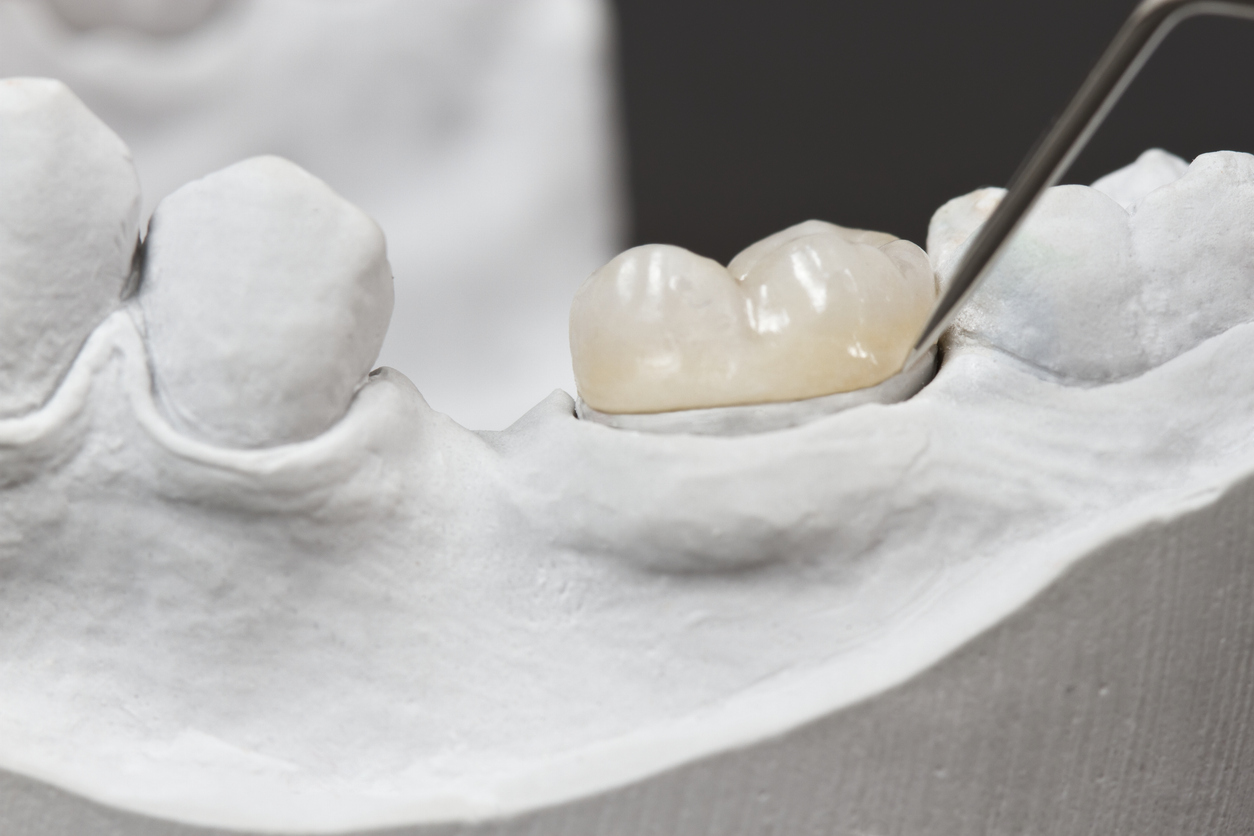
A dental crown is a restoration that covers a tooth that needs additional protection or structure.
Crowns may be used for teeth that are weakened, broken, significantly worn, or affected by extensive decay. They can also be used as part of other restorative treatments, including dental implants and bridges.
Unlike a filling, which repairs a specific area of a tooth, a crown covers the visible portion of the tooth. It is shaped to restore the tooth’s form and function while allowing you to bite and chew normally.
How Long Does a Dental Crown Last on Average?
A commonly cited range for the Dental Crown Lifespan is about 5 to 15 years.
That does not mean every crown will need to be replaced once it reaches a certain age. Some crowns fail earlier because of damage, decay, or heavy bite forces, while others can remain functional for many years beyond the average range.
Age alone is usually not the only consideration. Your dentist will also look at the crown’s condition, the seal around its edges, the health of the supporting tooth, and how the restoration is functioning when you bite.
If an older crown is still secure and the tooth underneath it remains healthy, replacement may not be necessary simply because several years have passed.
What Affects Dental Crown Lifespan?
Two people can receive crowns at around the same time and have very different experiences with how long those restorations last.
A few factors can make a significant difference.
Your Oral Hygiene
A crown itself cannot develop a cavity, but the natural tooth underneath and around it still can.
Plaque can accumulate where the crown meets the tooth near the gumline. If decay develops around that margin, it can weaken the tooth supporting the restoration and eventually make crown replacement necessary.
Regular brushing, flossing, and professional dental cleanings remain important even after a tooth has been crowned.
Grinding or Clenching Your Teeth
Grinding or clenching can put repeated pressure on crowns and natural teeth.
Over time, that force may contribute to wear, chips, fractures, or other damage. Some people grind their teeth primarily while sleeping and may not realize they are doing it.
If your dentist notices signs of grinding or you regularly wake up with jaw tension, it is worth discussing whether additional protection could be appropriate.
What You Bite and Chew
Crowns are made for normal eating, but using your teeth for things they were not designed to do can increase the chance of damage.
Chewing ice, biting extremely hard foods, opening packaging with your teeth, or repeatedly biting hard objects can put unnecessary stress on a restoration.
A crown may be strong, but treating it like a tool can shorten its lifespan.
The Condition of the Natural Tooth
The health of the tooth underneath the crown matters just as much as the crown itself.
If decay develops beneath or around the restoration, the crown may need to be removed so the tooth can be evaluated and treated. Cracks or structural changes in the underlying tooth can also affect how well the restoration continues to function.
This is one reason routine dental exams still matter after crown placement. Regular Encino dental care can help monitor both the restoration and the tooth supporting it.
The Crown Material and Fit
Dental crowns can be made from several materials, and different materials have different characteristics.
The location of the tooth, how much biting force it receives, cosmetic considerations, and the condition of the remaining tooth can all influence the type of restoration recommended.
Fit is equally important. A properly fitted crown should sit securely over the prepared tooth and allow your bite to feel natural.
Can a Crown Get a Cavity?
Technically, the crown itself does not get a cavity. The natural tooth underneath it can.
Decay can sometimes begin around the edge where the crown and natural tooth meet. Because that area can be difficult to see yourself, regular dental exams can help your dentist monitor the crown and surrounding tooth.
This is also why flossing around a crowned tooth is important. Having a crown does not make the tooth maintenance-free.
How Can You Tell When a Crown Needs to Be Replaced?
A crown does not always give an obvious warning when something begins to go wrong.
You should schedule a dental visit if you notice changes such as:
- A crown that feels loose or moves
- A visible crack or chip
- Pain when biting or chewing
- New or persistent sensitivity
- Discomfort around the crowned tooth
- A change in the way your bite feels
- A rough or damaged edge
Do not assume that every symptom means the crown has failed. Sensitivity or discomfort can have several causes, and an exam is the best way to determine what is actually happening.
Sometimes the crown is the issue. Other times, the natural tooth or surrounding gum tissue may be responsible.
How to Help Your Dental Crown Last Longer
You do not need a complicated maintenance routine for a crown. In most cases, the same habits that protect your natural teeth also help protect restorations.
Brush your teeth twice a day and clean between them daily. Keep up with routine dental cleanings and exams so your dentist can check the crown and the tooth underneath it.
Avoid chewing ice or other extremely hard objects, and do not use your teeth to open packages or bottles.
If you grind or clench your teeth, tell your dentist. Addressing heavy bite forces may help reduce unnecessary wear on both your crowns and your natural teeth.
Most importantly, do not ignore changes. A crown that suddenly feels different is worth having checked before a small issue has the chance to become a larger one.
What About Same-Day Dental Crowns?
The Dental Office Encino offers CEREC® same-day restorations, including customized crowns.
CEREC technology uses computer-aided design and manufacturing to digitally design and create certain restorations in the dental office. This can allow a crown to be designed, made, and placed during a single appointment rather than requiring a temporary restoration and a second visit.
Whether a same-day restoration is appropriate depends on your individual dental needs. Dr. Alan Howard or Dr. Yonatan Howard can evaluate the tooth and discuss the treatment options that make sense for your situation.
Does a Crown Last Forever?
No dental crown should be considered permanent in the sense that it can never need replacement.
Crowns are designed to provide long-term restoration, but normal wear, changes to the underlying tooth, trauma, grinding, decay, or other factors can eventually affect them.
The goal is not necessarily to make a crown last a specific number of years. It is to keep the restoration, supporting tooth, and surrounding gums healthy for as long as possible.
Wondering About an Existing Crown?
If you have had a crown for years and are unsure about its condition, you do not have to wait until it breaks to have it evaluated.
Dr. Alan Howard and Dr. Yonatan Howard can examine the crown, the tooth underneath it, and your overall bite to determine whether the restoration is still functioning as intended.
If you are noticing pain, sensitivity, looseness, a damaged edge, or another change in an existing crown, getting it checked now can help you understand what is happening before the problem becomes more complicated.
The Dental Office Encino is located at 17071 Ventura Boulevard, Suite 102, Encino, CA 91316.
Call 818-300-0333 or book an appointment with The Dental Office Encino to have your existing crown checked or discuss your options if you have been told you may need one